Prestige Tile & Stone Cleaning
Serving San Diego County
Residential & Commercial
Mon–Fri 8am–5pm · Sat 10am–2pm
Home › Services
Tile, Grout & Stone Services
Stone, Tile & Grout Cleaning Services in San Diego
Cleaning, restoration, repair, sealing and commercial maintenance for ceramic, porcelain and natural stone in homes and businesses across San Diego County. Every job starts by identifying the material, so the method suits the surface.
Quick answer
What Tile, Grout and Stone Services Do You Offer?
We provide four kinds of work: professional cleaning for tile, grout and natural stone; restoration that hones and polishes worn finishes; repair for chips, cracks, etching, lippage and failing grout; and sealing and maintenance that help porous surfaces resist stains. We serve homeowners and businesses throughout San Diego County, and every surface is tested first so the method matches the material.
Tile and stone can look good for decades, but they need care. Porous surfaces, and grout in particular, absorb whatever they touch, so dirt, grease and spills settle below the surface where a mop cannot reach.
Scrubbing on your hands and knees is slow and rarely gets it all out. Professional cleaning uses surface-appropriate solutions and extraction equipment to lift that embedded soil, and a sealer applied afterward gives you time to wipe up future spills before they soak in.
Our technicians are trained in tile, stone and grout care and use non-toxic, environmentally friendly products that are safe around children and pets.


Cleaning
Professional Tile, Grout & Stone Cleaning
Professional cleaning removes the soil, grease, soap film and residue that routine mopping leaves in grout lines and textured surfaces. Corners, edges and grout joints get special attention, and the cleaning agents and equipment are chosen for the material, so glazed porcelain, porous grout and acid-sensitive marble are each cleaned the way they need to be.
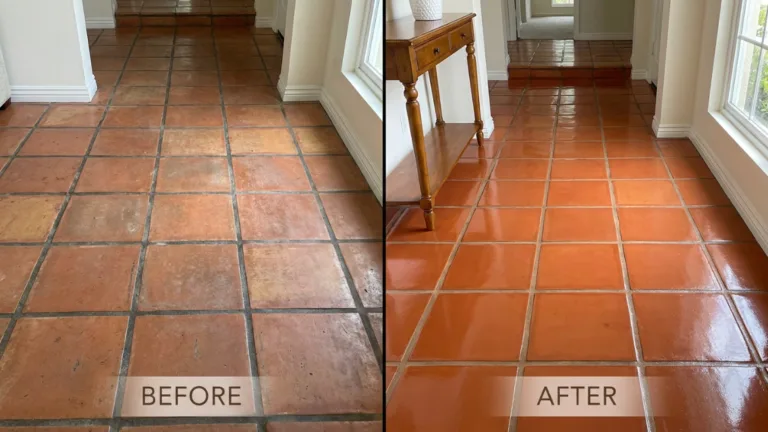
Floors & grout
Tile & Grout Cleaning
Floors, entries and kitchens deep cleaned, with grout lines extracted rather than wiped.
Learn more →
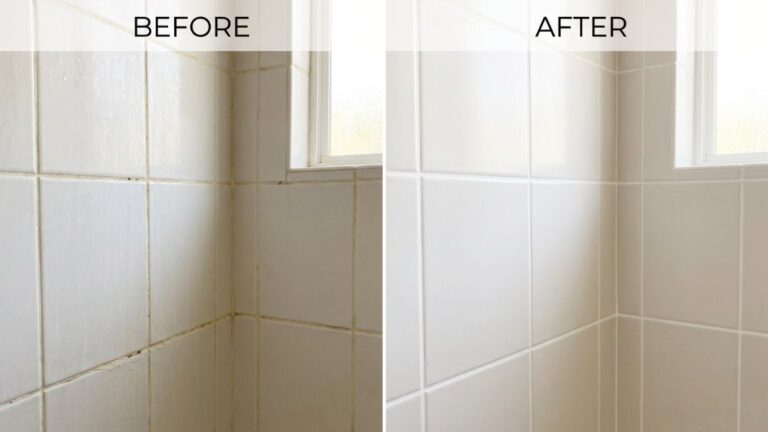
Bathrooms
Bath & Shower Tile Cleaning
Soap film, mineral scale and discolored grout lifted from showers and bathroom floors.
Learn more →
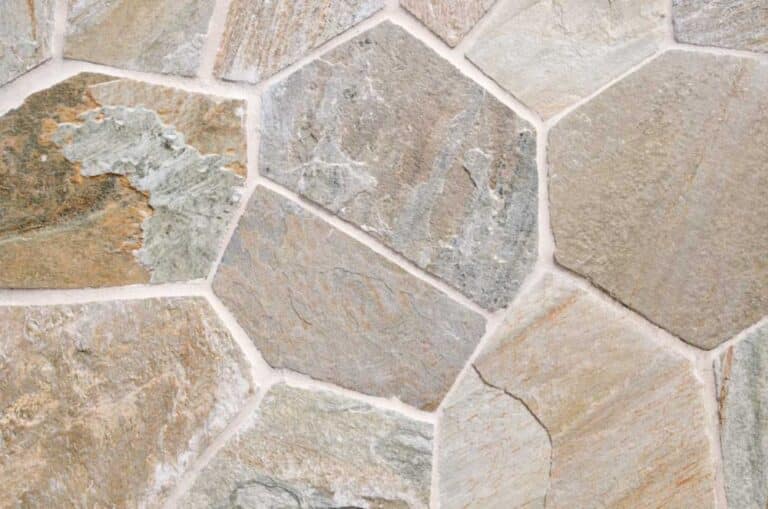
Natural stone
Natural Stone Cleaning
Stone-safe cleaning for marble, travertine, limestone, granite, slate and more.
Learn more →
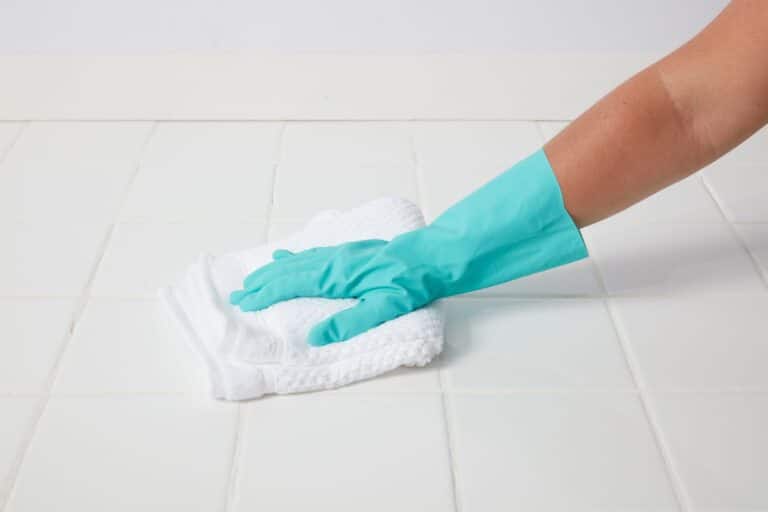
Manufactured tile
Ceramic & Porcelain Tile
Dense, glazed tile and its porous grout cleaned and, where useful, sealed.
Learn more →
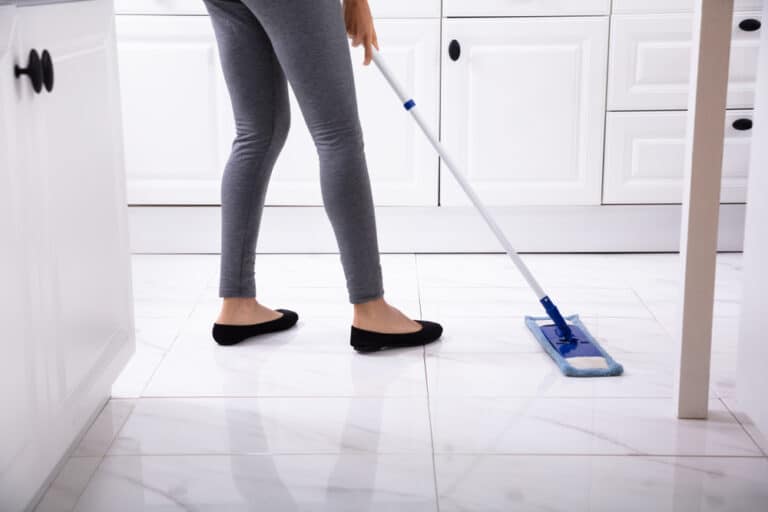
Natural stone
Marble Cleaning
Acid-sensitive marble cleaned with pH-appropriate products that will not etch.
Learn more →
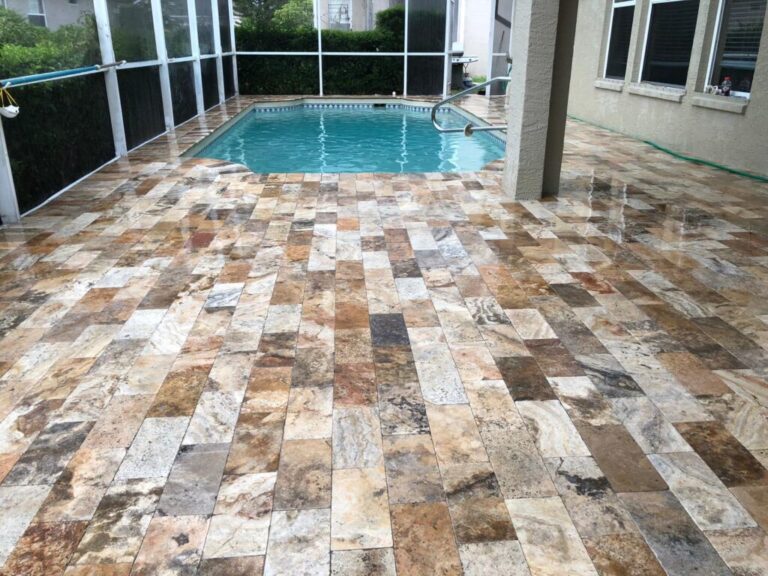
Natural stone
Travertine Cleaning
Porous, pitted travertine cleaned, and holes assessed for filling.
Learn more →
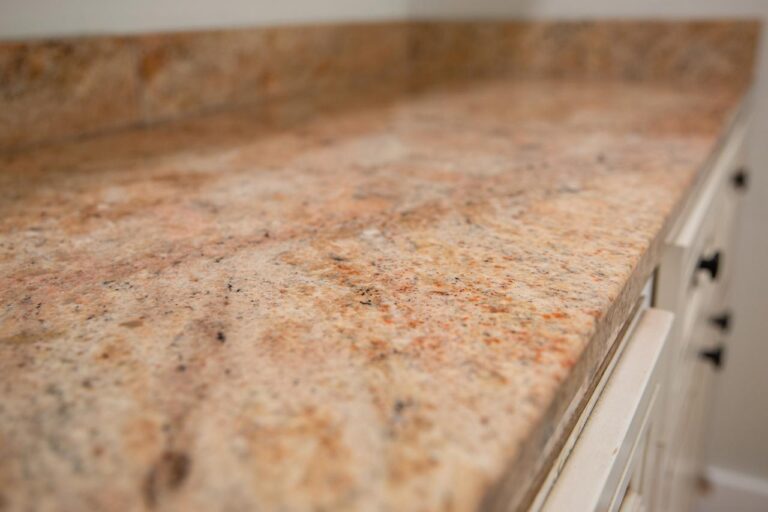
Kitchens & baths
Countertop Cleaning
Granite, quartz and stone countertops cleaned, polished and sealed.
Learn more →
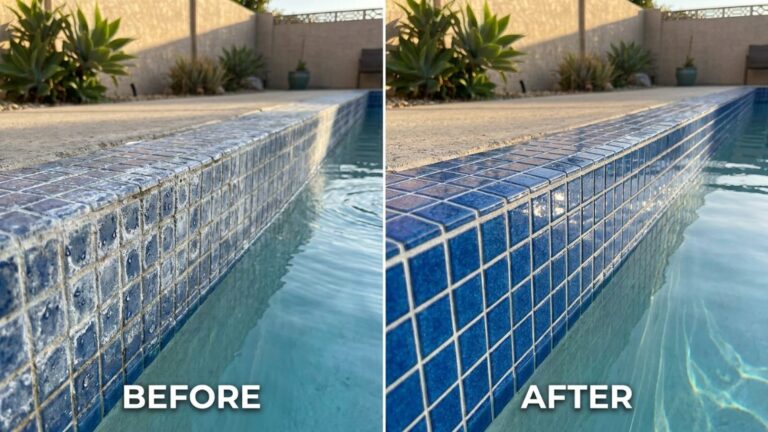
Pools
Pool Tile Cleaning
Calcium and scale removed from waterline tile without damaging the glaze.
Learn more →
Restoration & Repair
When Cleaning Is Not Enough
Restoration corrects a worn finish and repair fixes physical damage. Etching, scratches and dull traffic lanes are honed and polished out of stone; chips, cracks, holes, uneven tile edges and failing grout are repaired. Both start with an assessment, because not every stone can be restored: a qualified professional has to evaluate the material, how it was installed and the wear it has already taken.
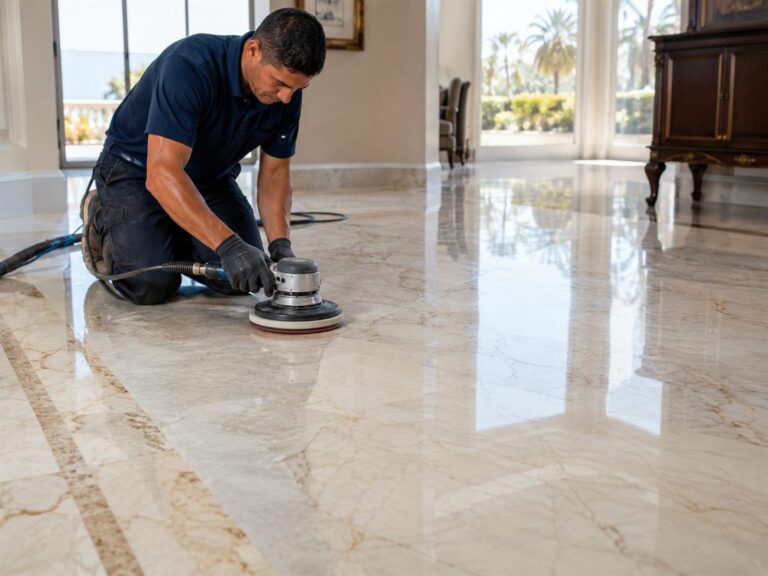
Restoration
Tile & Stone Restoration
Honing, polishing and refinishing that bring worn floors, walls, showers and countertops back to an even finish, instead of replacing them.
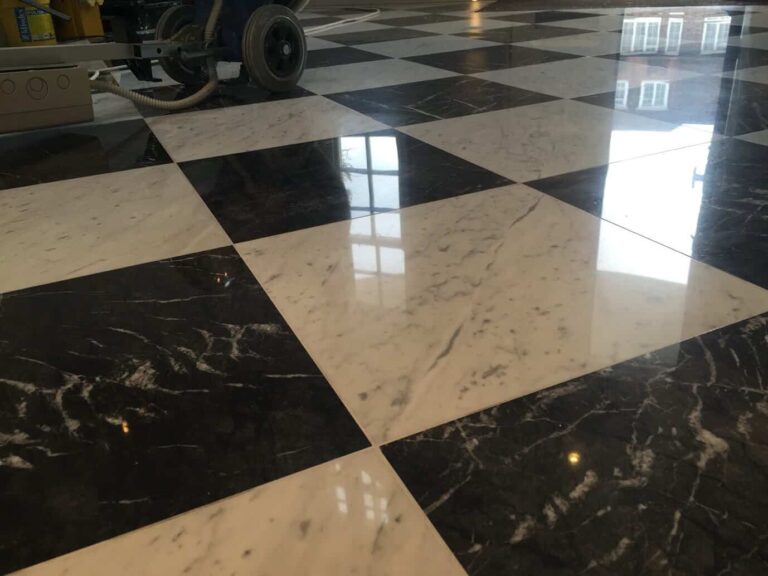
Marble
Marble Floor Polishing
Dull traffic lanes and etching honed and polished out.
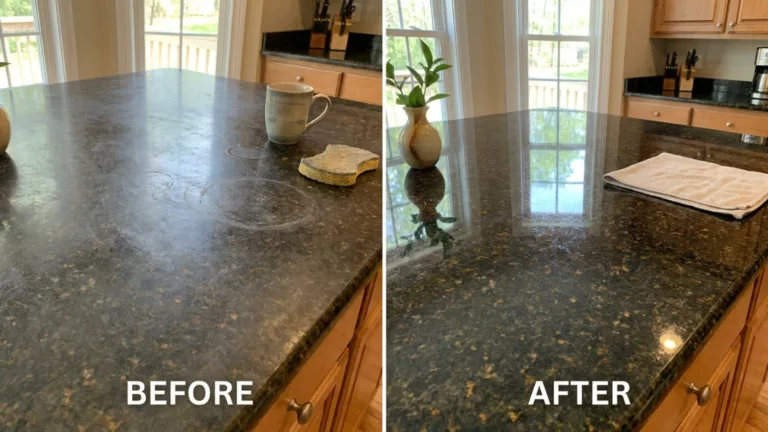
Granite
Granite Countertop Restoration
Etched, dull or stained granite restored.
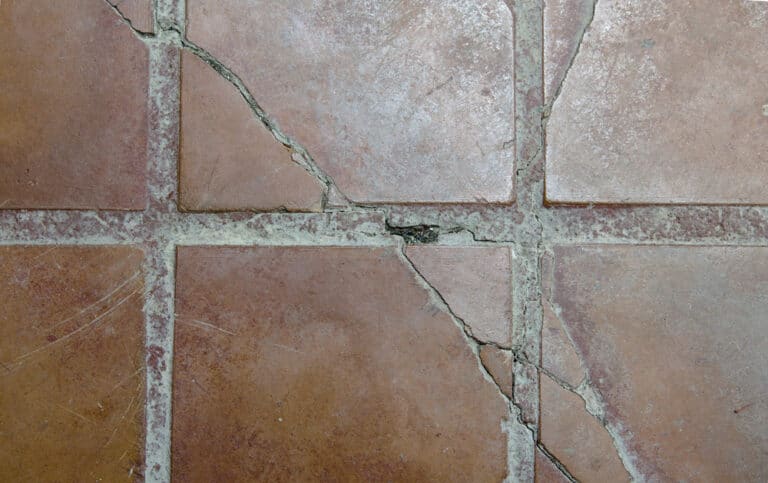
Repair
Chip & Crack Repair
Damage in the tile or stone itself repaired.
Grout
Shower Regrouting
Cracked, crumbling grout removed and replaced.
Honing
A wet process that uses sanding disks, diamond disks or honing powder to reduce or remove scratches, etching and dull wear.
Grinding & lippage
Diamond grinding levels tile edges that sit at different heights; diamond polishing then brings the surface most of the way back to a finished sheen.
Polishing
Abrasive powders return marble and other polished stone to the desired sheen. Stones differ in texture and minerals, so some polish faster than others.
Filling & stains
Color-matched epoxy fills cracks, holes and chips. A poultice draws dark stains out of stone over 3 to 6 days; no stain removal can be guaranteed.
Restoration services
Honing, polishing and refinishing for worn stone and tile.
Repair services
Fixes for chips, cracks, etching, scratches, stains, lippage and grout.
Finishing & stain work
Specialist techniques for surface finish and deep stains.
Sealing & Maintenance
Why Sealing Protects Tile, Grout and Stone
A penetrating sealer slows how quickly liquids soak into porous stone and grout. Spills stay on the surface long enough to be wiped up, which helps prevent stains and water marks, keeps cleanup easy and reduces the need for harsh cleaners. Sealing does not make a surface stain-proof, and not every surface needs it.
What may benefit: sealing is optional, but it is recommended for most porous stone and cement-based grout, especially light-colored stone, which shows stains most. Fresh sealer also helps delicate stones such as marble and onyx hold up to everyday use. Glazed ceramic and porcelain tile is non-porous, so the tile itself does not need sealing; the grout between it is what absorbs spills.
Why identification comes first: interior floors, showers, countertops and exterior stone each call for a different sealer, so the surface is identified before one is chosen. Sealers are applied right after cleaning, once the surface is dry.
Maintenance: how often to reseal depends on the stone and how hard it is used. The intervals below are general guidelines for surfaces in regular use; lighter stone, heavy traffic or a sealer that is visibly wearing may need attention sooner.
Sealing
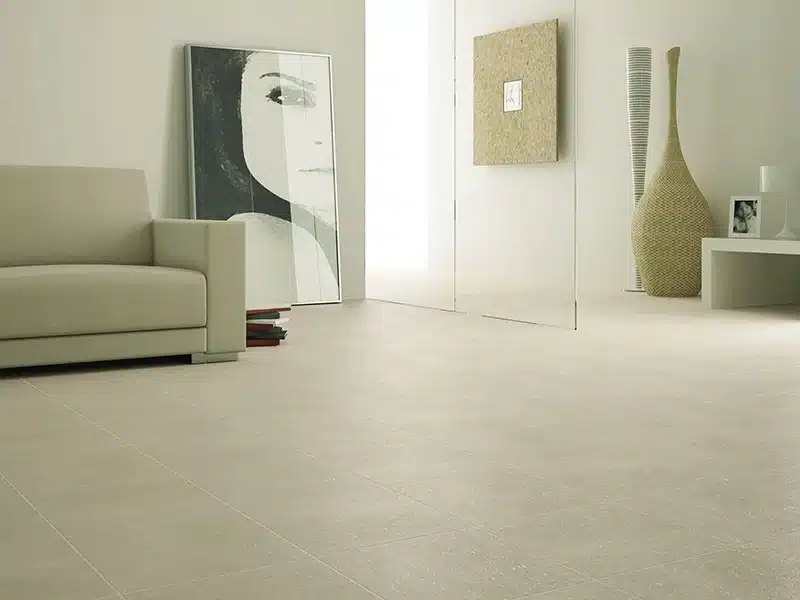
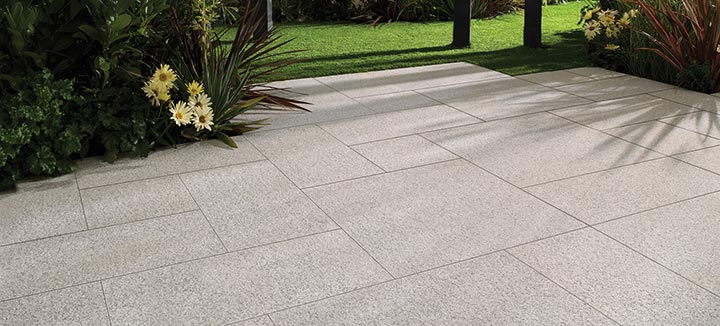
Sealers matched to interior, exterior and countertop surfaces.
Maintenance
Ongoing care that keeps stone and grout looking their best.
Commercial
Commercial Tile, Grout & Stone Care
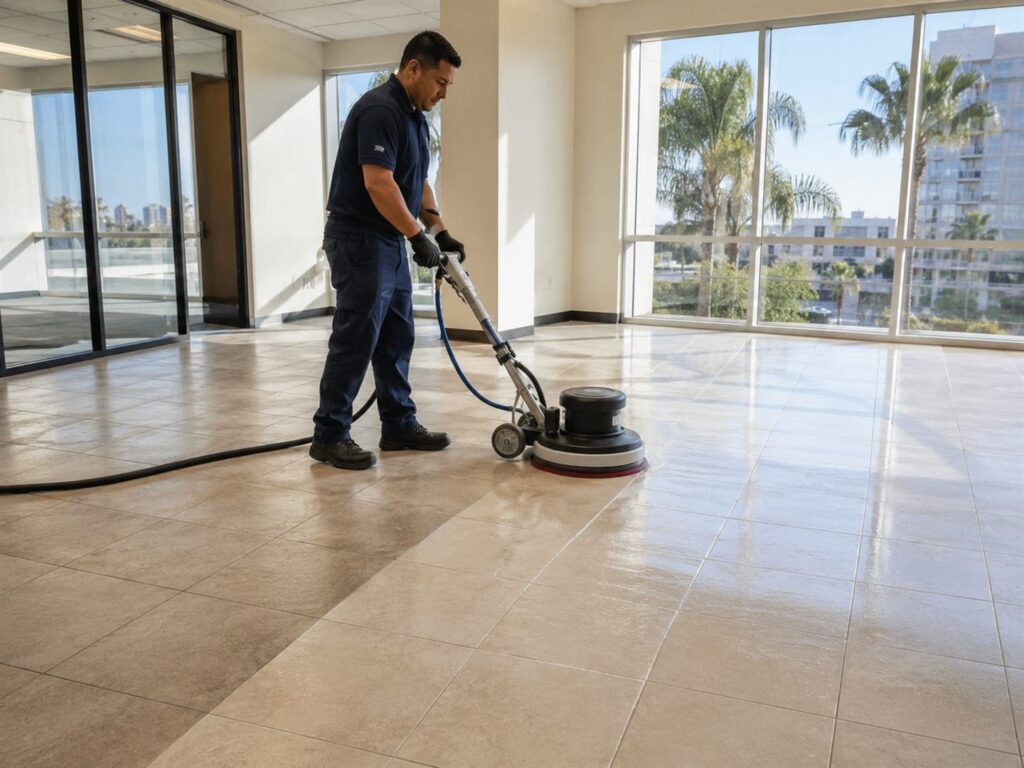
Neglected commercial floors reflect on the business, can reduce the value of the property and can create slip risks for customers and staff. We clean, restore and maintain tile, grout and stone for restaurants and commercial kitchens, offices, medical and dental practices, retail stores, HOAs and managed properties across San Diego County.
Work can be scheduled around your operating hours, and businesses can join a maintenance program for regular cleanings. Our equipment is portable, so crews can reach upper-floor offices and high-rise buildings, and commercial work is usually quoted by the square foot.
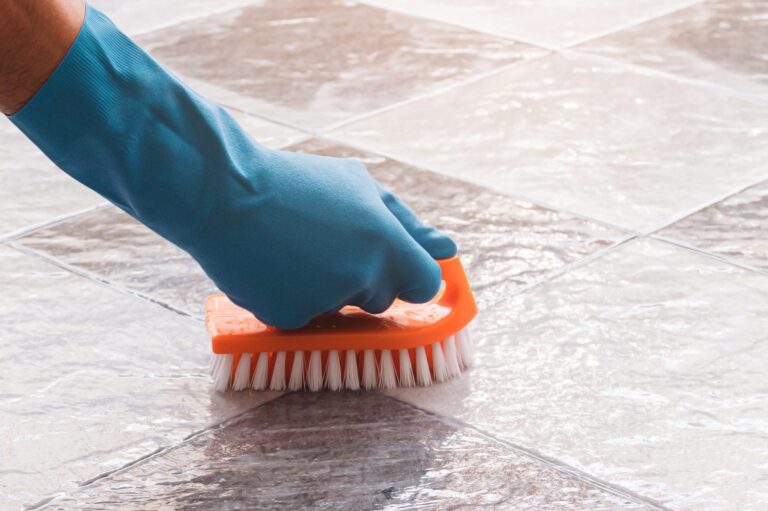
Hospitality
Restaurant Tile & Grout
Kitchen and dining floors cleaned around service hours.
Learn more →
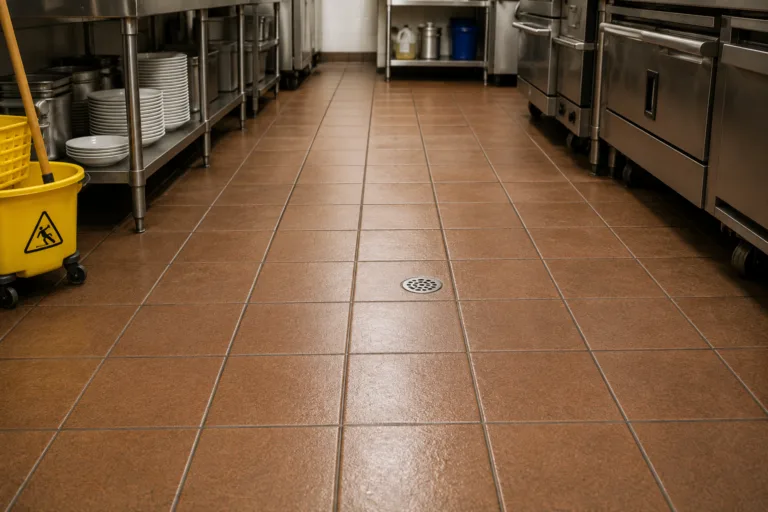
Food service
Commercial Kitchen Tile Cleaning
Grease and soil extracted from kitchen tile and grout.
Learn more →
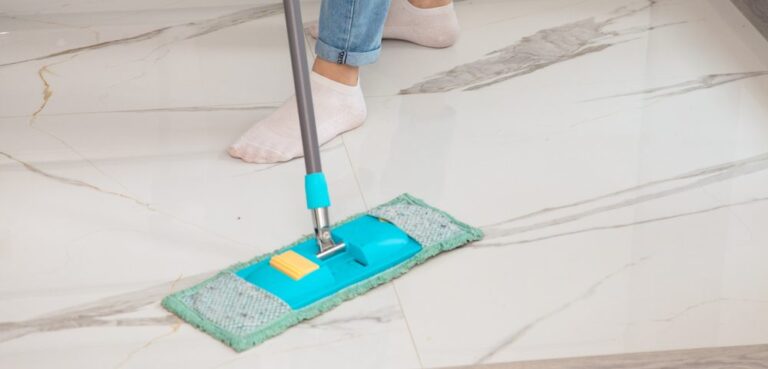
HOA & property
HOA Tile & Stone Maintenance
Common-area tile and stone kept on a regular schedule.
Learn more →

Healthcare & office
Medical Office Tile Cleaning
Clean, well-kept floors for clinics and practices.
Learn more →
Not sure what you need?
Match the Problem to the Right Service
Start with what you are seeing. Each card below links to the service that usually fixes it. If more than one problem applies, or you are not sure what the surface is, a technician will inspect and test it and explain the options in writing before any work is booked.
If you see
Dark, dirty grout lines
Soil and grease have settled into porous grout below what mopping reaches.
Tile & grout cleaning →
If you see
Dull or etched stone
Marble or travertine has dull spots, etch marks or worn traffic lanes.
Restoration: honing & polishing →
If you see
Chips, cracks or holes
Damage in the stone or tile itself, not just dirt.
Chip & crack repair →
If you see
Deteriorating shower grout
Grout is cracked, crumbling, missing or stained beyond cleaning.
Shower regrouting →
If you see
Soap film and hard-water scale
Shower walls, pans and corners look cloudy or crusted.
Bath & shower tile cleaning →
If you see
Pool waterline scale
White or gray calcium deposits along the waterline tile.
Pool tile cleaning →
If you see
Surface absorbs moisture
Porous stone or grout darkens as soon as it gets wet.
Sealing evaluation →
If you see
Uneven tile edges
Tiles sit at different heights and catch feet or furniture.
Lippage removal →
If you see
Stains that will not clean out
Dark spots that have soaked into the stone.
Stone stain removal →
Etched marble specifically? See etching removal. Spills soaking into indoor tile? See interior tile sealing.
Surface Expertise
Stone, Tile and Other Surfaces We Clean and Restore
We work on natural stone, manufactured tile and a range of other hard surfaces, indoors and out. Natural stone such as marble, granite, slate and travertine comes straight out of the ground and is softer and more reactive than manufactured tile, so each surface has its own page explaining how it is cleaned, restored and protected.
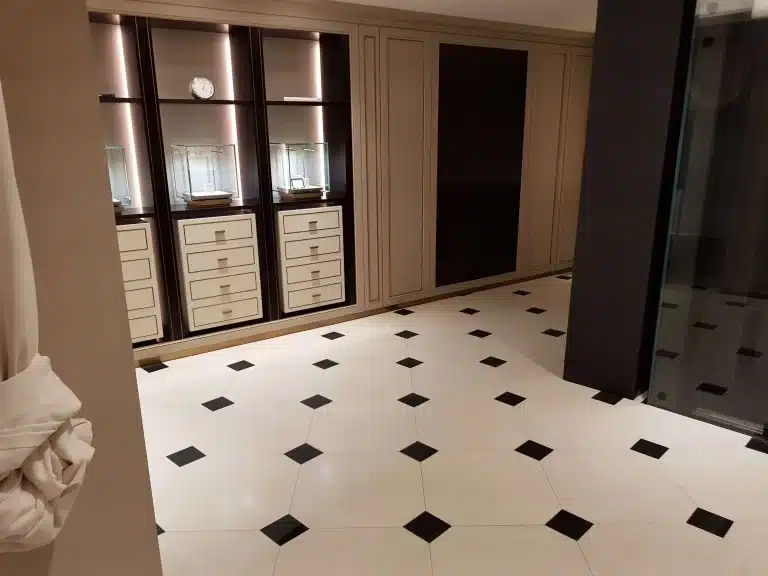
Natural stone
Natural Stone
Quarried stone, pre-tested and cleaned with stone-safe chemistry.
Tile
Tile
From dense, glazed porcelain to soft, porous clay tile.
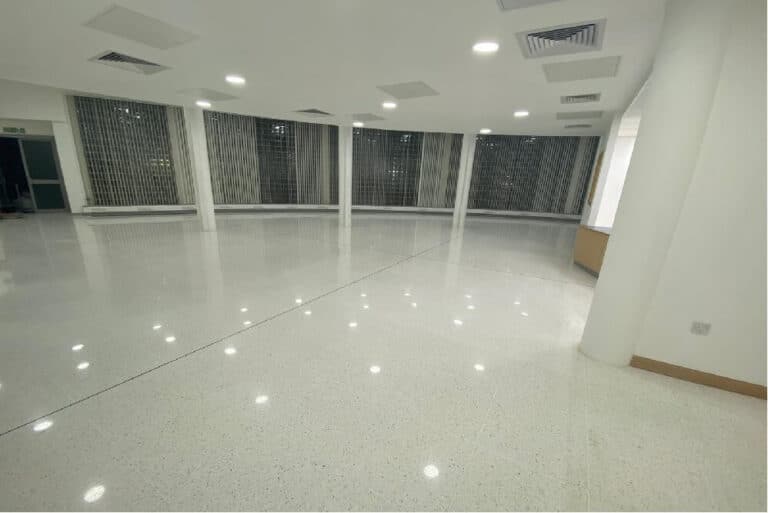
Other surfaces
Other Surfaces
Engineered stone, countertops, concrete and outdoor surfaces.
Concrete, brick and masonry: we also clean, seal and restore concrete (including stain removal, resurfacing, staining, tinting, polishing and non-slip treatment), cement patios, driveways and pavers, brick walls and patios, and stone masonry, and we regrout as needed. Ask about the surface you have.
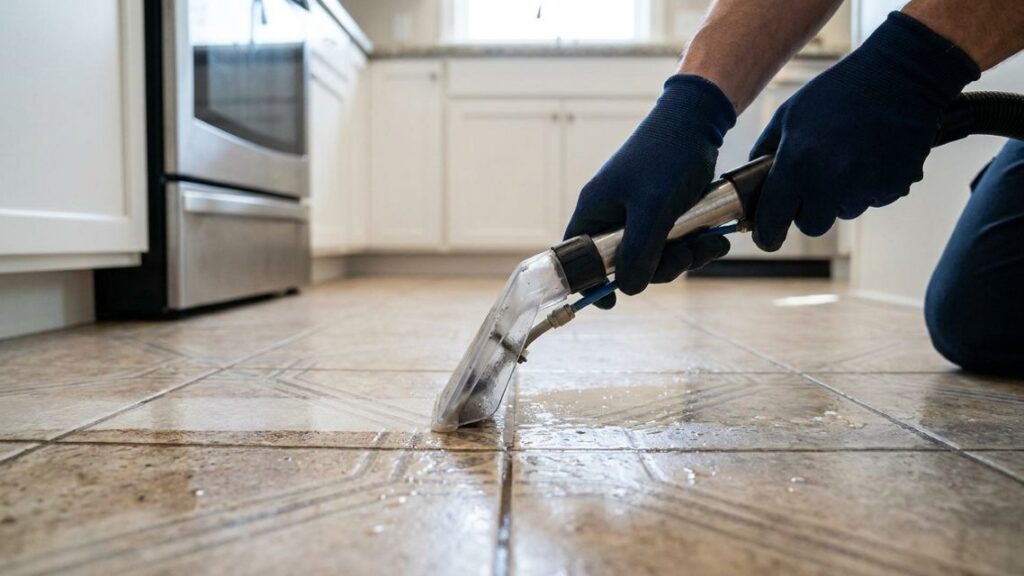
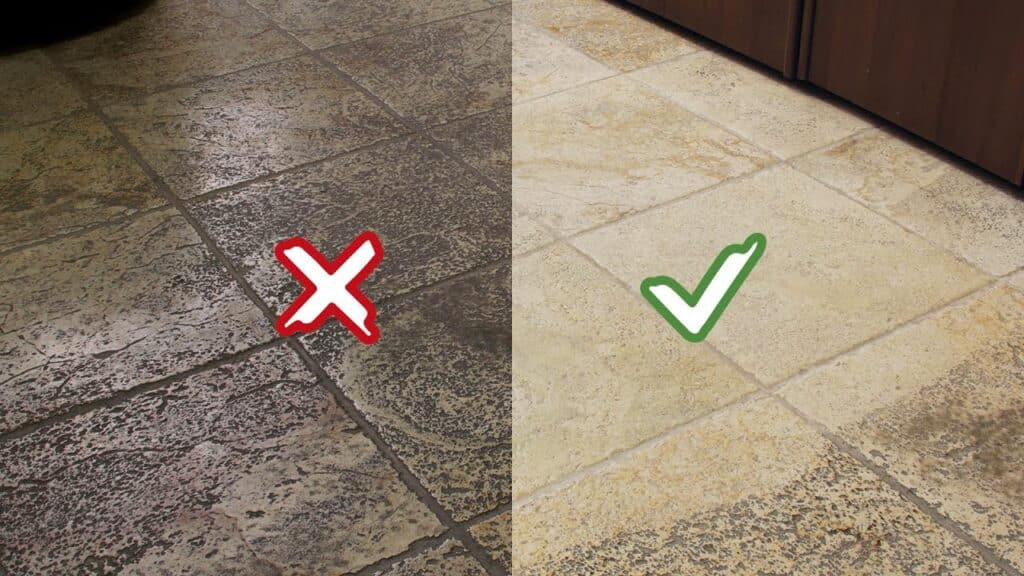
Why surface identification matters
Why Can’t Every Tile or Stone Surface Be Cleaned the Same Way?
Because materials react differently. Calcium-based stones such as marble, travertine and limestone etch when they meet acids; porous stone and cement grout absorb liquids and residue; glazed porcelain resists both. Finish and condition matter too, so a polished floor, a honed floor and a worn floor under old sealer each need a different cleaner, pad and pressure. That is why every job starts by identifying and testing the surface.
Testing tells us which products are safe and which will cause harm. Marble and limestone, for example, are damaged by acids, so harsh chemicals are never used on them.
Before cleaning, the area is taped off to protect adjoining surfaces, and loose dust and dry soil are removed so the deep clean can reach the grime embedded below. Quality checks run throughout the job, and any area that falls short is cleaned again.
As soon as cleaning is finished, sealers are applied where appropriate to help keep new dirt from penetrating. Once the work is complete, your technician explains how to care for the surface, including using pH-neutral cleaners, since the wrong products can etch or stain stone.
Material
Natural stone is quarried and more reactive; ceramic and porcelain are clay tiles with a fired glaze.
Porosity
Grout and porous stone absorb spills and soil; glazed tile does not.
Acid sensitivity
Marble, travertine and limestone etch with vinegar or lemon juice; on granite, acids wear the sealer.
Finish
Polished stone shows scratches and etching; honed stone has more open pores that hold dirt.
Condition
Traffic, past maintenance, old wax or sealer, open holes and failing grout all change the plan.
Method
The test decides the cleaner, water temperature and pressure, pad and sealer.
What to expect
Before, During and After the Job
01
Detailed inspection
We evaluate the condition of the stone or tile, its traffic and how it has been maintained, then outline the solution and any alternatives.
02
Written proposal
You receive a written plan with transparent pricing and any limits that could affect the final appearance, before anything is booked.
03
Protect & walk through
We arrive on schedule, walk you through the process, and shield baseboards, walls, cabinets and rugs from water and splashes.
04
Clean, restore & seal
The agreed work is carried out, with updates at each phase. Multi-day jobs include guidance on preparing for the next day.
05
Final walk-through
We review the finished surface with you and explain aftercare. The price does not change unless you ask for additional work.
Before & After
Results on Real Surfaces
The same surfaces photographed before and after the work. Results depend on the material, how long buildup has been there and the condition of the grout or stone underneath, which is why each estimate starts with an inspection.
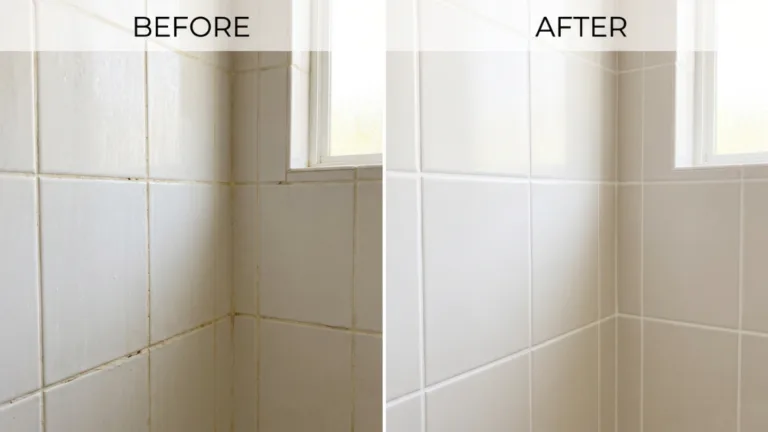
Shower grout
Discolored grout cleaned
The same shower wall before and after. Bath & shower tile cleaning.
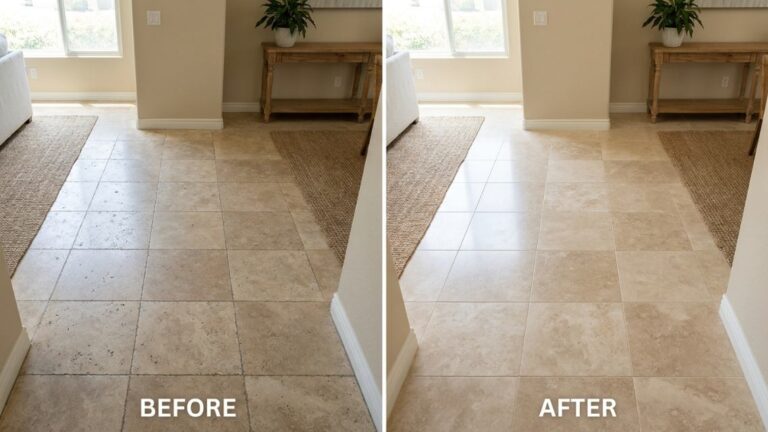
Travertine
Dull, stained travertine honed
An even finish restored on a floor. Travertine cleaning & restoration.
Pool tile
Waterline scale removed
Calcium and scale cleared from pool tile. Pool tile cleaning.
Service Area
Serving Homes and Businesses Across San Diego County
Every service on this page is available throughout San Diego County, from the North County coast and inland cities to central San Diego, the South Bay and East County. Coastal homes, inland communities and commercial properties all get the same process: identify the surface, test it, then clean, restore or seal it.
Common Questions
Tile, Grout & Stone Service FAQs
How do I know which tile or stone service I need?
Start with the symptom. Dark or dirty grout usually needs cleaning; dull, etched or scratched stone needs restoration; chips, cracks, uneven edges or failing grout need repair; and porous surfaces that soak up spills may benefit from sealing. If more than one applies, a technician inspects and tests the surface and explains the options in a written plan before any work is booked.
What is the difference between cleaning and restoration?
Cleaning removes soil, grease, soap film and residue from the surface and the grout lines. Restoration changes the surface itself: honing with diamond abrasives removes scratches, etching and dull wear, and polishing brings back the sheen. Not every stone can be restored, so a qualified professional has to evaluate the material, its installation and its existing wear first.
When is sealing appropriate?
Sealing is optional, but it is recommended for most porous stone and cement-based grout, especially light-colored stone. Glazed ceramic and porcelain tile is non-porous and does not need sealing, although its grout may. A sealer slows absorption so spills can be wiped up in time; it does not make any surface stain-proof. It is applied after cleaning, once the surface is dry.
Can you work on several different surfaces at the same property?
We work on ceramic and porcelain tile, grout, natural stone, countertops, concrete, pavers and other hard surfaces, indoors and out. List every surface when you request an estimate: each one is identified and tested, and the written plan covers the method for each.
Do you serve both homes and businesses?
Yes. We work for homeowners and for offices, restaurants, medical and dental practices, retail stores, HOAs and managed properties. Commercial work can be scheduled around operating hours, businesses can join a maintenance program for regular cleanings, and commercial jobs are usually quoted by the square foot.
How does the estimate process work?
Request an estimate online or call (858) 952-0777. We evaluate the condition of the surface, its traffic and how it has been maintained, then provide a written plan with transparent pricing and any limits that could affect the final appearance. The price does not change unless you ask for additional work.
What is the difference between honing and polishing?
Honing is a wet process that uses sanding or diamond disks, or honing powder, to reduce or remove scratches and dull wear. Polishing follows with abrasive powders to bring polished stone such as marble back to its sheen. Some stones polish faster than others because of their texture and minerals.
How often should stone be resealed?
As a general guide for surfaces in regular use: marble two to three times a year, terrazzo a few times a year, granite every two to three years, slate about every three years and travertine every three to five years. Light-colored stone, heavy use or a worn sealer may need resealing sooner.
What is a poultice?
A poultice is a paste applied to natural stone to draw out dark or colored stains as it dries. It usually takes 3 to 6 days depending on the application. No poultice is guaranteed to remove a stain completely, but most produce a clear improvement given time.
Are your cleaning products safe for children and pets?
We use non-toxic, environmentally friendly cleaning products that are safe to use around people and pets, and we never use harsh chemicals on acid-sensitive stone.
How should I prepare for my appointment?
Put away shoes, toys and other small items, clear any countertops being cleaned, lift area rugs, move chairs, tables and patio furniture out of the way, and leave a clear path from the entrance with space to park near the door. After sealing, wait until the sealer is fully dry before moving furniture back.
Get Started
Ready for Cleaner Tile, Grout & Stone?
Tell us about the surface and what is bothering you about it. We will confirm the right service and send a written estimate.
Free estimates
Surface-safe methods
Residential & commercial